
How Insurance Appraisal Works
A valuation dispute needs a record, not another opinion
Appraisal works when the panel can see how a number was built. The useful record connects damaged property to repair methodology, quantities, pricing, and policy procedure. An unsupported total does none of that work.
The process below follows the structure used by many appraisal provisions. Your policy controls the actual requirements.
Demand sequence
1. Appraisal is demanded
One party invokes the appraisal provision, or the parties agree to use it if the policy requires agreement. The demand should follow the policy's notice and timing requirements.
Whether appraisal can be demanded by one party or requires agreement from both sides depends on the policy. We start every review by reading the appraisal provision itself.
2. Each party selects an appraiser
The policy may set a selection deadline and qualification language. Some clauses use words such as competent, independent, impartial, or disinterested. Those words do not carry one universal definition across every policy.
Nathan serves as the appraiser you select. His job is to approach the loss with an open mind, independently evaluate the amount of loss, and support the valuation with evidence, construction knowledge, documentation, and professional judgment.
3. The appraisers address the umpire
Under a typical provision, the appraisers select a neutral umpire before or during their work. The umpire is available if the appraisers cannot resolve every item.
Some provisions also set a separate period for the appraisers to agree on the umpire, commonly 15 days in clauses that use that structure. That period is distinct from the appraiser-selection period. Your policy controls the actual deadline, the event that starts it, and what happens if the appraisers do not agree in time.
If the appraisers cannot agree on an umpire, some policies provide a mechanism for court appointment. The actual process depends on your policy.
4. The property is inspected
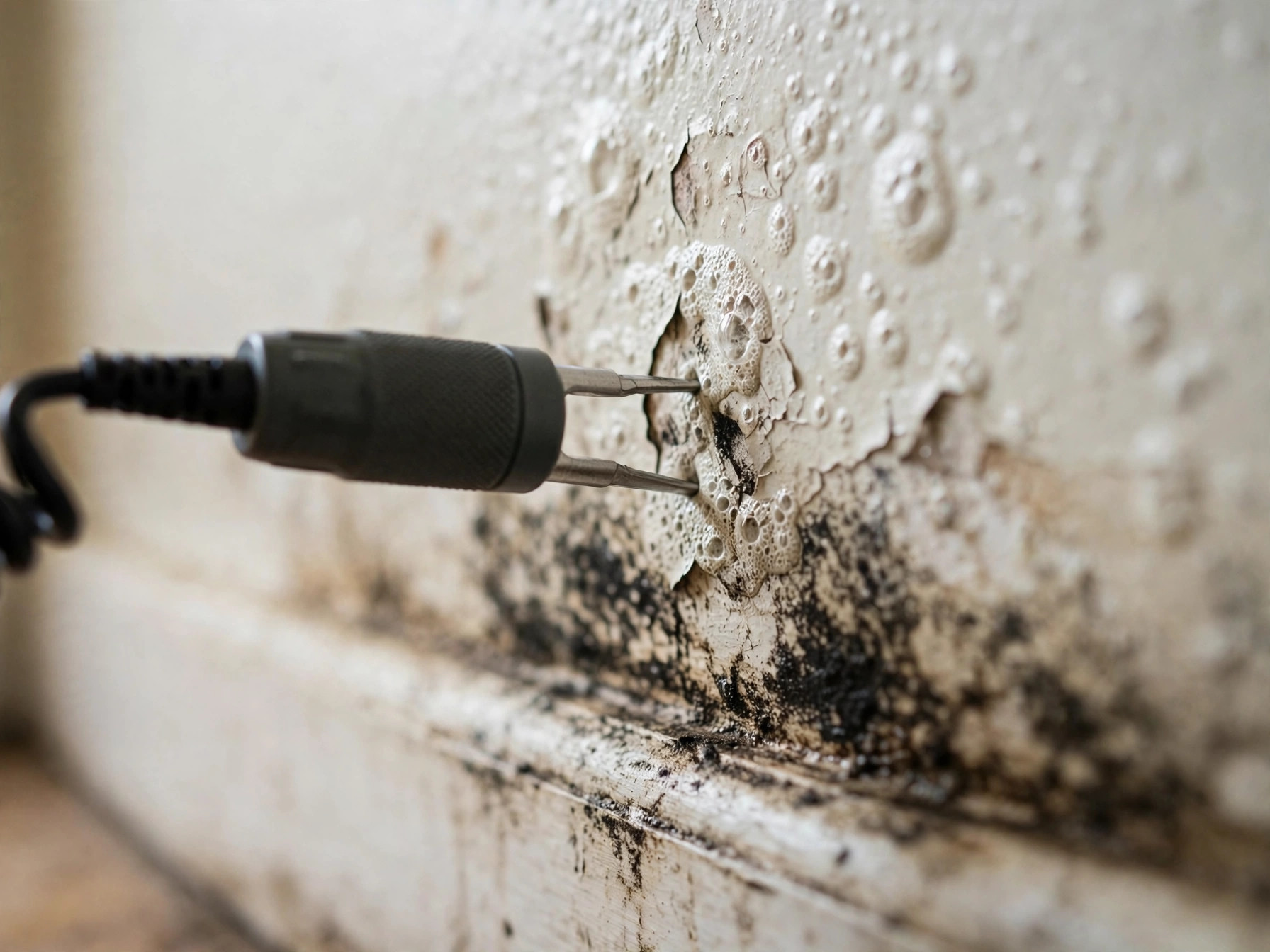
Inspection establishes the physical record. It can include room and building measurements, roof and envelope documentation, moisture readings, photographs, equipment inventories, plans, and repair constraints.
A serious inspection asks how the repair will actually happen. It records access limits, demolition needs, protection of undamaged property, shutdowns, temporary work, and the order in which trades must move.
5. Each appraiser builds a valuation
Valuation starts with repair methodology. The appraiser determines what must be removed, accessed, repaired, replaced, detached, reset, and rebuilt. Quantities and prices follow that method.
The valuation may need to address:
- Repair sequencing and trade coordination.
- Repairability rather than automatic replacement, or replacement where repair cannot restore the system.
- Access required to perform the work.
- Material continuity and matching.
- Integration between old and new systems.
- Code-triggered work connected to the repair.
- Market pricing and lead times that affect the restoration plan.
6. The appraisers compare the records
The appraisers identify what they agree on and isolate the real differences. A difference may involve physical scope, quantity, repair method, material, unit price, depreciation treatment, or the records used to support an income loss.
Many items can be resolved once both records use the same measurements and repair assumptions. The remaining items should be narrow and clearly defined.
What happens at impasse?
An impasse does not mean the process failed. It means the two appraisers have reached the limit of agreement.
At that point:
- The appraisers identify the agreed items.
- They narrow the disputed items.
- They present the remaining differences to the umpire.
- The umpire reviews the evidence for those differences.
- Two of the three panel members sign the final award, subject to the policy language.
The umpire does not decide alone under that structure. The award requires two signatures.
What appraisal decides
Appraisal primarily determines the amount of a covered loss, including disputed scope and repair valuation when those issues fall within the policy's appraisal provision. Pure coverage disputes remain outside the panel's authority.
The written award establishes the amount determined through appraisal. Any payment due after the award remains subject to the policy, prior payments, deductibles, limits, and any issues reserved outside appraisal.
Read more about the appraisal award
ACV, RCV, and the appraisal award
What appraisal costs
A typical provision requires each party to pay its selected appraiser and share the umpire's expense. Your policy controls.
Loss Recovery Experts bills by the hour. The fee reflects the hours the assignment takes, travel time, and any experts the file requires. We confirm the billing terms in writing after reviewing the file. The total cannot be known until the appraisal is complete. No one can honestly quote it in advance, because no one knows at the start how long the assignment will take.
How long appraisal takes
Timing depends on the policy procedure, property access, the size of the loss, the records, expert needs, and panel schedules. A small and well-documented dispute may resolve between the appraisers. A multi-building loss with roof systems, electrical gear, and income records takes longer.
The review gives a timing read based on the actual file. It does not use a universal timetable.
Start before the record gets thin
Photographs change. Repairs begin. Records scatter. If the amount of loss is in dispute, preserve the policy, estimates, correspondence, photographs, invoices, and property records now.