
Condo Association Appraisal
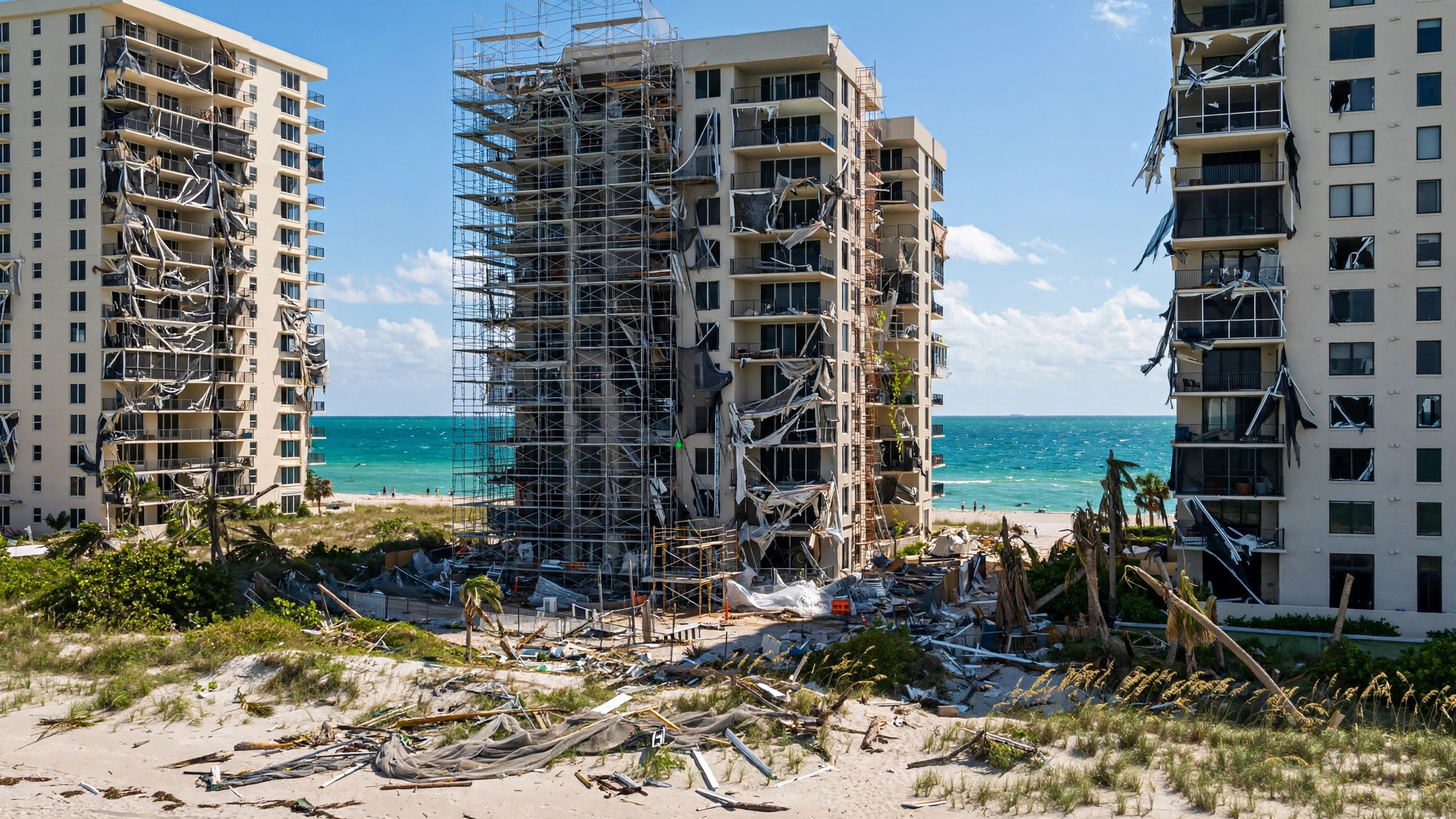
The first valuation question is responsibility
A condo loss does not belong to one balance sheet by default. The master policy, association documents, Florida law, and individual unit-owner policies determine where responsibility falls. Loss Recovery Experts identifies the property interests relevant to the appraisal before assigning values.
That order matters. Price the wrong layer and the panel receives a large number built on the wrong record.
Responsibility map
Roofs and building envelope
Common elements and amenities
Association-owned systems and equipment
Unit components the documents assign to the association
Unit-owner improvements and betterments, unless the documents assign them to the association
Items the unit-owner's own policy covers
The documents control the boundary. The appraisal values the association property inside that boundary.
The review maps:
- Buildings and structural components.
- Roofs and building envelope.
- Common elements and amenities.
- Association-owned systems and equipment.
- Unit components that association documents place with the association.
- Unit-owner property and interior items that fall outside the association assignment.
- Betterments and improvements whose ownership depends on the documents and policies.
What drives the association amount of loss
Roof and envelope at tower scale
Roof fields, parapets, flashing, balconies, window systems, exterior joints, and waterproofing interact. A leak at one elevation can produce interior damage across stacked units. The inspection must connect the envelope failure to the affected assemblies without assigning unit-owner property by assumption.
Building systems
Elevators, generators, fire alarms, sprinklers, pumps, garage systems, access controls, and communications serve the whole property. Replacement parts, code work, shutdowns, testing, and lead times can drive the valuation.
Common areas and amenities
Lobbies, corridors, clubrooms, pools, seawalls, docks, parking structures, lighting, and landscaping need inventories and repair methods. Template pricing often treats them as minor site items. Their actual assemblies say otherwise.
Board record
Minutes, authorizations, maintenance matrices, reserve studies, engineer reports, bids, and owner communications help establish responsibility and the repair plan. The board receives a record it can explain to owners, auditors, and the panel.
Assessments and cash flow
A short valuation can shift the repair gap to owners through assessments or deferred work. The appraisal does not decide association finance. It gives the board a documented amount of loss for the property the association must restore.
Experts and records
Large association losses may require engineers, roof consultants, building consultants, code consultants, specialty contractors, or equipment experts. The firm coordinates the disciplines the disputed valuation requires and keeps their work tied to the responsibility map.
Start with the documents
Send the master policy, declarations, bylaws, maintenance matrix, insurer estimate, engineer reports, and board authorizations. The review identifies the association's property interests before the estimate is judged.