
Hurricane Insurance Appraisal
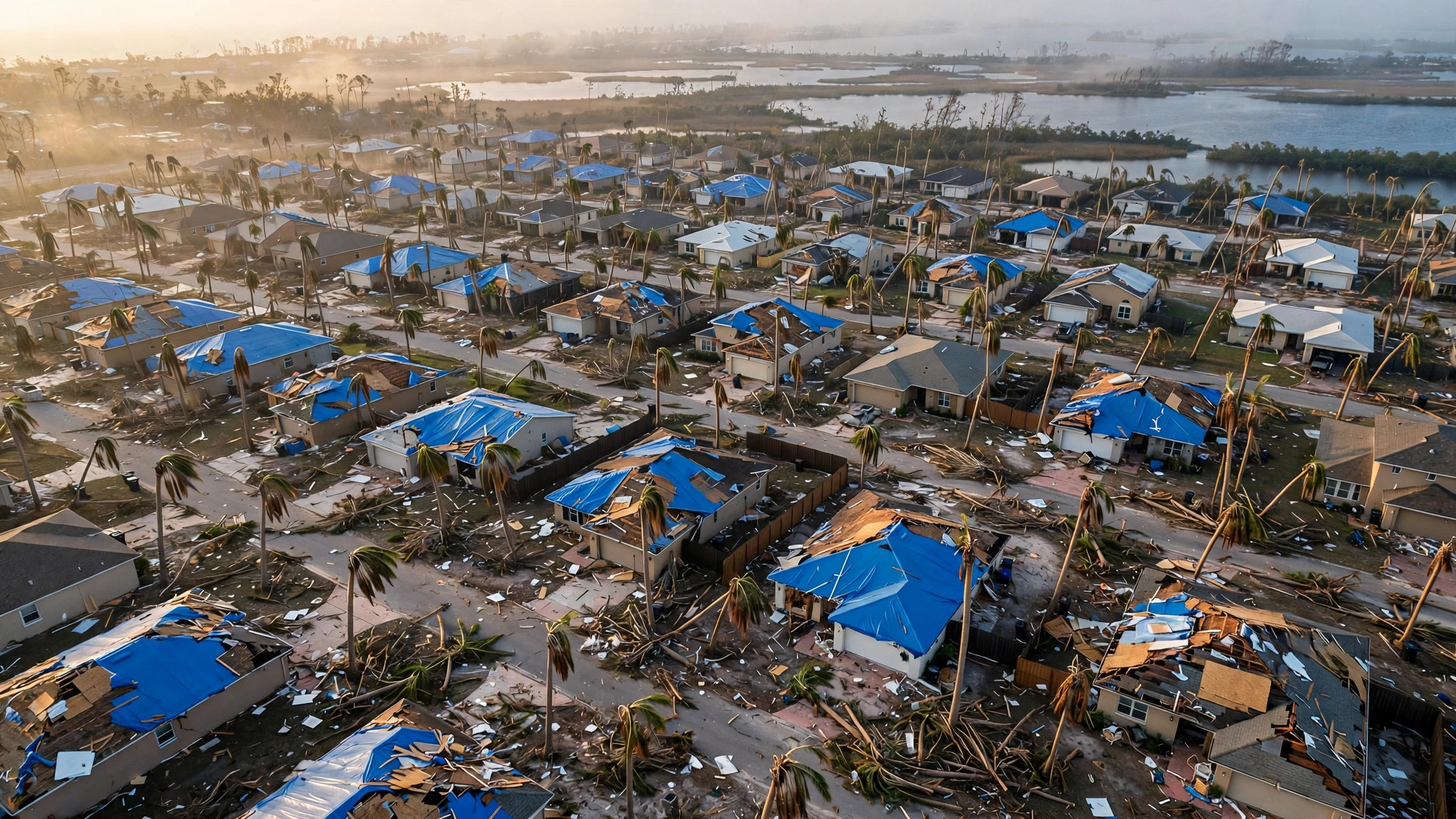
Volume is not documentation
A hurricane creates thousands of claims at once. Short inspections and fast estimates can miss the way wind and water moved through a property. A roof may look repairable from the street while the assembly below is wet. Water may enter at one opening and damage rooms that were never inspected.
Appraisal gives the panel a complete record after the first fast pass.
What the storm record must establish
Wind and roof damage
Document the roof covering, deck, fastening, flashing, edges, penetrations, and drainage. Tile, shingle, metal, TPO, modified bitumen, and other systems require different repair methods. Photographs should show both the field condition and the details that control the repair boundary.
Water travel
Wind-driven rain can move through wall assemblies, ceilings, ducts, insulation, and floors. Moisture readings, material conditions, and targeted inspection points help separate storm water damage from a visible stain.
Exterior and site property
Screen enclosures, fences, docks, seawalls, signs, lighting, carports, outbuildings, and site systems need inventories. These items often receive the lightest treatment in a high-volume estimate.
Mitigation and temporary repair
Tarps, drying, board-up, debris removal, temporary power, and emergency repairs need invoices tied to dates and work performed. Keep contracts, photographs, and payment records.
Deductible math
A hurricane deductible can make an understated amount of loss hurt twice. The appraisal should establish the full documented loss first. The deductible is then applied under the policy's exact structure.
Deadlines begin before appraisal
Florida law and the policy can impose duties and deadlines for reporting a loss, supplementing a claim, completing repairs, recovering depreciation, and demanding appraisal. A demand can also lose value if the policy process is not started while the right remains available.
Do not let a slow exchange of estimates consume the calendar. Send the policy and the current claim record early enough to map the deadlines that apply to your facts.
Ian record
Loss Recovery Experts appraised Hurricane Ian claims in Southwest Florida. Sam K. selected the firm after the insurer's initial offer fell far short of the loss. His claim settled at more than three times that initial offer.
Citizens policyholders
Most Citizens policies let the policyholder invoke appraisal. The actual Citizens policy still controls the demand, selection, and panel process, so the review starts with that policy form.
Homes, associations, and businesses
- Residential hurricane appraisal
- Condo association appraisal
- Commercial appraisal
- Large-loss appraisal
Start while the evidence is fresh
Send the policy, insurer estimate, payment letters, photographs, mitigation invoices, contractor records, and any appraisal demand. The review maps the valuation gap and the deadline risk in one pass.